Everyday sleep
Your Bedroom and Better Sleep: Light, Sound and Temperature
A practical way to find the light, noise and comfort problems that deserve attention—without turning your bedroom into a project.
A bedroom can look peaceful and still be difficult to sleep in. The streetlight reaches your pillow. The air feels comfortable at bedtime but stuffy a few hours later. A phone vibrates against the bedside table just as you are drifting off.
NIOSH recommends a dark, quiet, cool and comfortable sleep environment. Those words are useful starting points, but the changes that matter depend on what is disturbing you. 1 2 Before buying anything, spend a few minutes looking at the room from the place where you actually sleep.
Start with the biggest interruption
Think about the last few nights. Was the problem light, sound, feeling hot or cold, or physical discomfort? If you share the room, ask the other person the same question. You may be trying to solve different problems.
Choose the most obvious issue first. A new pillow will not stop a delivery notification, and darker curtains will not resolve a disagreement about the thermostat. Naming the interruption makes it easier to choose a useful change and to tell whether it helped.
Make notes in ordinary language: “hallway light on my face,” “too warm under the duvet,” or “bins collected before my alarm.” A specific description is more helpful than a general verdict that you need a better bedroom.
Light: check what reaches your eyes
NIOSH’s advice includes blocking light at windows and doorways and reducing bright light sources inside the room. This matters for daytime sleepers as well as people dealing with outdoor lighting at night. 1
Lie down with the lights off and give yourself a moment to notice the room. Look for light around curtain edges, a glowing charger, the television standby display, or a hallway lamp visible under the door. Start with the source you can change most easily.
- Adjust curtain overlap before assuming you need an entirely new set.
- Turn a bright clock away from your pillow or lower its display brightness.
- Try a comfortable eye mask if changing the windows is impractical.
- Agree on lighting that a partner can use when entering later.
Keep the route to the bathroom clear and safely visible. NIOSH suggests a dim red nightlight as an option. Darkness should not create a fall hazard, and you should not cover equipment in a way that blocks ventilation or hides an essential warning light. 1
Sound: remove what you can control
Traffic, pets, a bed partner and phone alerts can interrupt sleep. NIOSH recommends reducing these disturbances and considering earplugs or background sound when appropriate. 2
Begin with avoidable noise. Turn off nonessential notifications, move a vibrating phone off a hard surface, or arrange tomorrow’s clothes outside the room if one person gets up much earlier. If a door latch rattles every time someone walks past, fixing the latch may be more useful than adding another sound.
For noise you cannot remove, consider what is comfortable and practical for you. Earplugs may be an option if suitable for your ears and responsibilities. A fan or low background sound may make changing external noise less noticeable. Keep necessary alarms and caregiving alerts audible.
Does adding sound always help?
No single sound is the right choice for every room or sleeper. One small study followed ten adults who reported sleep difficulty in a noisy New York City environment and found improvements with a white-noise device. That is useful evidence for a specific situation, but it does not prove that everyone needs background noise or that any sound-based product will produce the same result. 3
If you try background sound, begin gently and notice whether it is actually welcome. A sound that feels irritating is not something you need to endure because someone else finds it soothing. Avoid turning the volume up repeatedly to compete with a disturbance; revisit the source of the noise where possible.
Temperature: aim for comfort you can maintain
NIOSH recommends a cooler bedroom with bedding that keeps you comfortable, while recognizing that temperature preferences differ. 2 There is no reason to force yourself or your partner to shiver in pursuit of an exact thermostat number.
Check the combination rather than the temperature alone: bedding weight, nightwear, airflow and whether the room changes overnight. If you wake too warm, try a lighter layer you can remove easily. If one partner runs warmer, separate covers may be a more workable choice than negotiating one duvet for both people.
In a home without precise climate control, start with what is available. Check whether the bed is beside a heat source, whether heavy bedding suits the season, and whether safe ventilation is possible. Spend money only after you know which problem it needs to solve.
Make shared sleep a shared decision
Households have different working hours, children wake, and pets have opinions about closed doors. A useful bedroom plan needs to survive the people who live with it.
Talk about one or two concrete agreements: which light to use after bedtime, where late calls happen, or when the bedroom needs to stay quiet for someone sleeping after a night shift. NIOSH specifically includes household cooperation and customized phone settings in its guidance. 2
For daytime sleep, tell people your intended sleep window in advance. A note on a door, a delivery instruction, or agreed exceptions for urgent calls can make the boundary clearer. The aim is a practical arrangement, not perfect silence that nobody can maintain.
Bring Banala’s sleep technology to your bedside
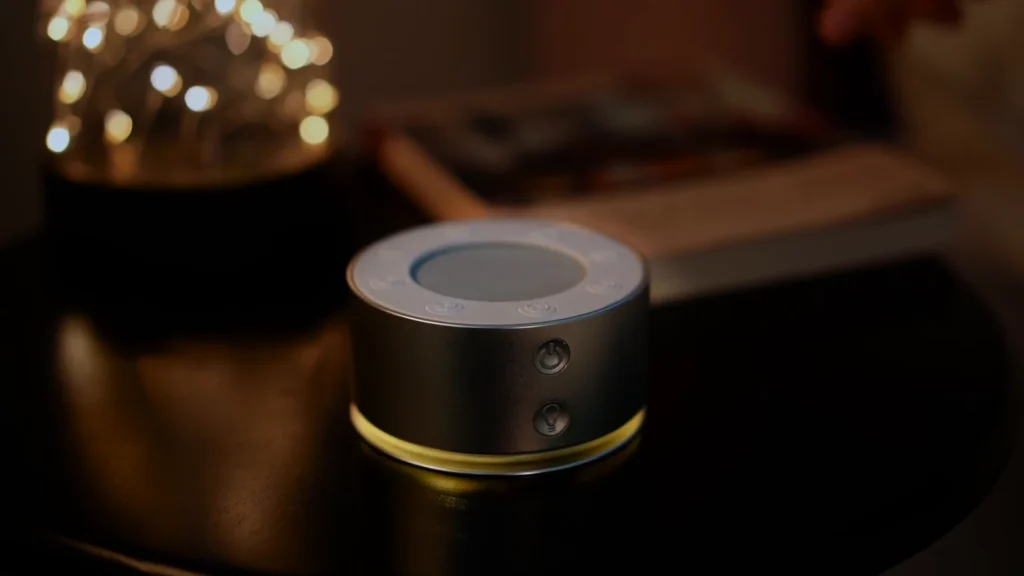
Banala Lite is a compact bedside sleep device designed to help quiet your mind and relax your body. Its built-in Sleep-Cycle-Inducing™ System integrated with isochronic sound technology uses a proprietary blend of soundwave frequencies that evolves through the night. When Lite is working, you hear a soft, low hum, like a fan running on low. Choose the lowest level you can comfortably hear. Barely audible is enough.
Give the first change a few ordinary nights before adding more. Keep what makes the room more comfortable, revise what does not, and let the space become easier to sleep in one useful adjustment at a time.
Sources
1. NIOSH. Create a Good Sleep Environment: light and darkness.
2. NIOSH. Create a Good Sleep Environment (Continued): noise, temperature and comfort.